
What is Color Analysis?
Most people encounter color analysis as four seasons: Spring, Summer, Autumn, Winter... we can go deeper than that. I'll place you in one of 16 palettes by reading three qualities in your coloring and the way each one flows.
The three qualities
Undertone
Whether your coloring is warm or cool: yellow on one side, blue and rose on the other.
Value
How light or deep your coloring is, from fair and delicate to dark and strong.
Intensity
How soft or clear your coloring is, from muted and greyed to bright and sharp. Color theory calls this chroma.
The four seasons
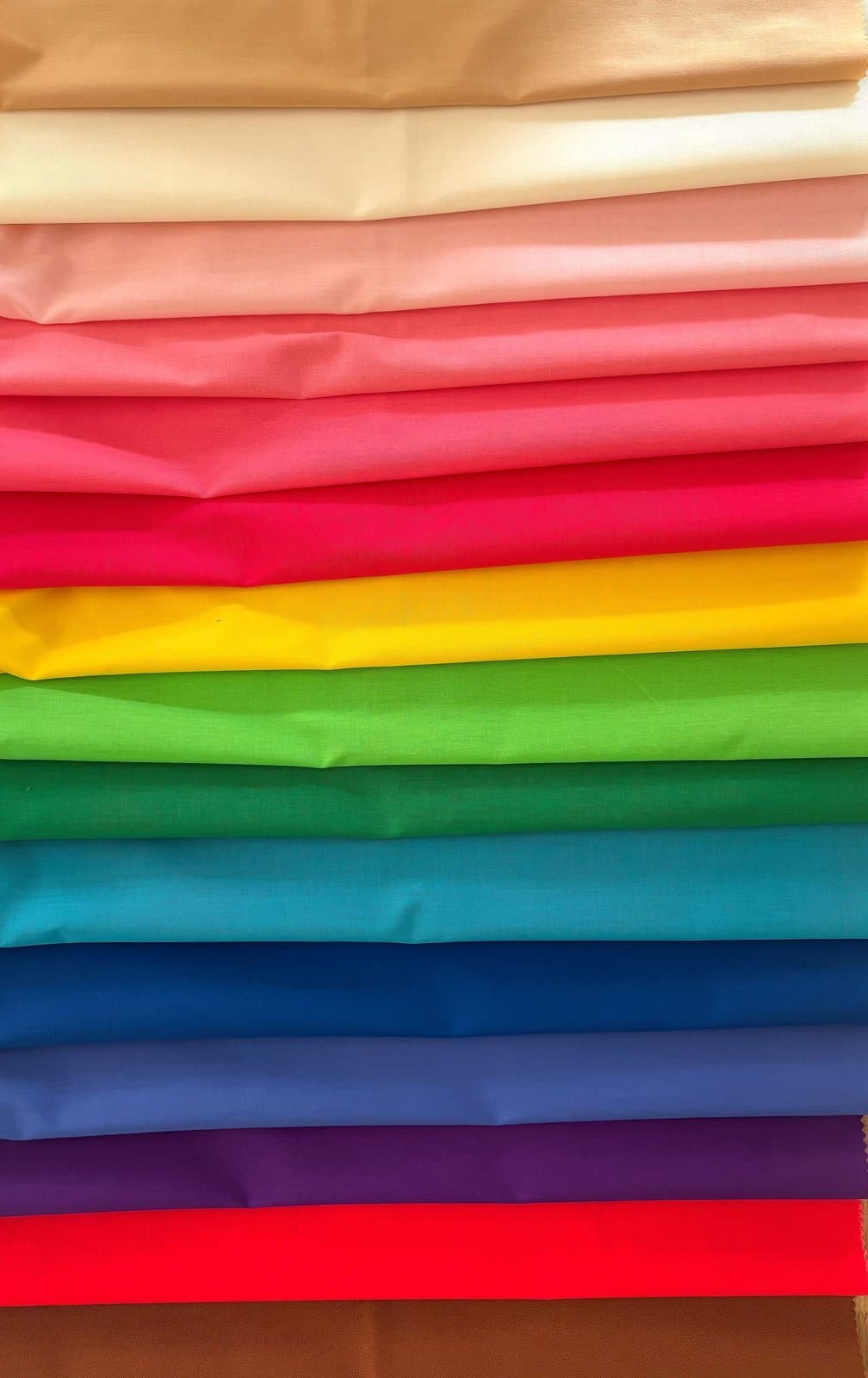
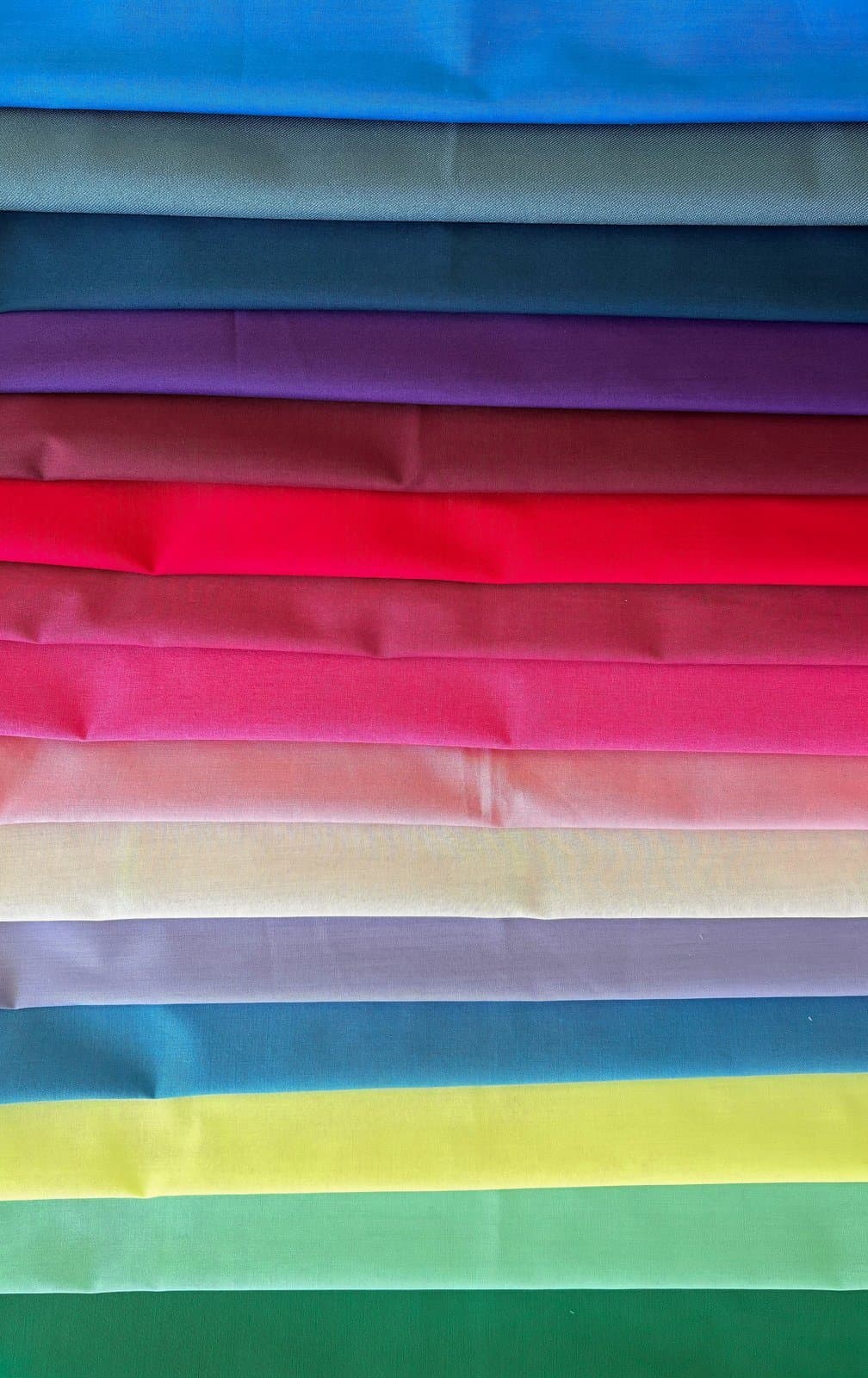
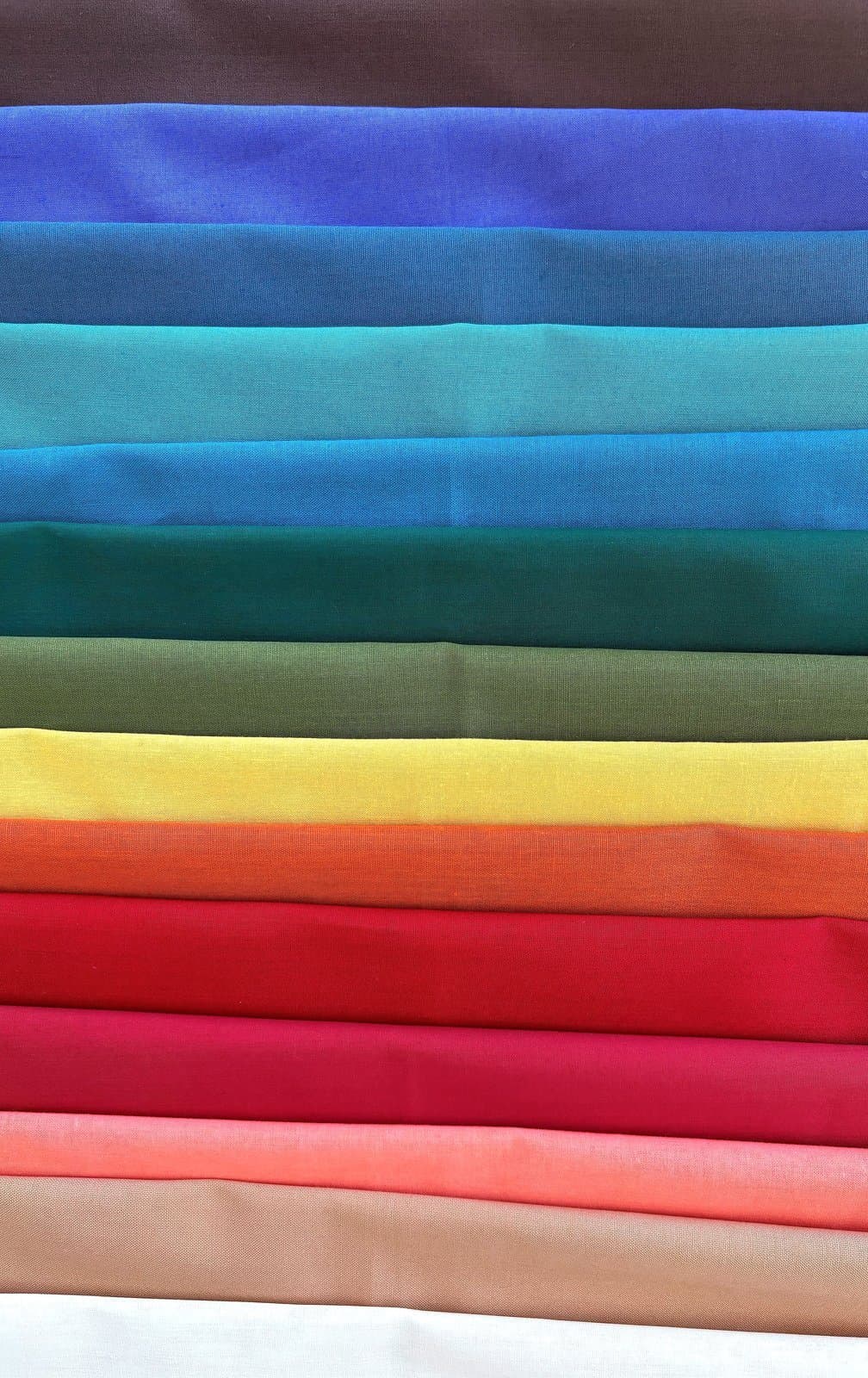
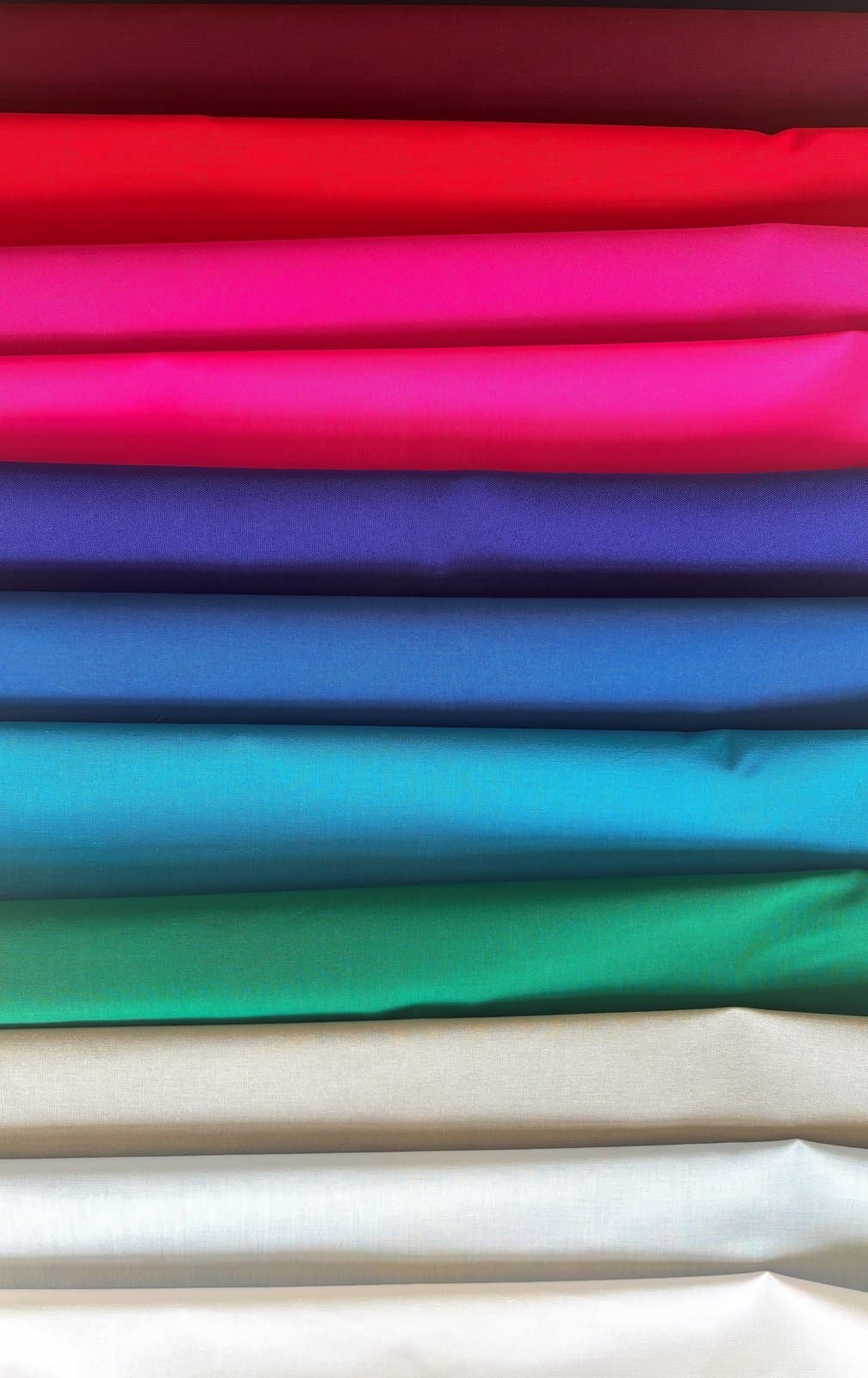
The flow
Does one quality flow more strongly than the others?
No, all three in balance
A True season: True Spring, True Summer, True Autumn, or True Winter.
Yes, one flows more strongly
A flow. Each season has three, one for each quality, borrowing from the neighboring season wherever it flatters.
The 16 palettes
My own illustrative rendering of the framework.
Four seasons, each with one True palette and three flows: 16 palettes.
A short history
Color analysis grew out of older work in color theory, textiles, and cosmetics, and took shape across several countries over the last century.
- 1800s
The European foundations
It starts with European color theory. Goethe, Chevreul, Munsell, and Itten worked out the language of hue, value, and intensity, and studied how similar or adjacent colors change one another, including how a color held near the face changes its look.
- 1940s
Post-war America
In the 1940s, the American designer Suzanne Caygill was really the first to build a systematic framework for color palettes that enhance someone's individual features. She also standardized certain personality and style types that she observed came out of a person's natural seasonal coloring. This paved the way for the modern color analysis we know today.
- 1980
The 1980s
Carole Jackson's 1980 book Color Me Beautiful made the four-season model popular, sorting people into Spring, Summer, Autumn, or Winter. It was simple enough to spread widely, though plenty of people did not fit one of four boxes.
- Late 1980s
The United Kingdom
British consultancies like Colour Me Beautiful and House of Colour turned color analysis into a profession. By the late 1980s they had moved to a tonal approach: light and deep, warm and cool, soft and clear. This is how we can achieve twelve seasonal palettes.
- 1990s to 2010s
Japan and Korea
East Asia took it further. Japanese analysts introduced 16-type systems with a primary and secondary season, and from the 2010s color analysis spread widely in South Korea, tied closely to cosmetics and social media.
- Now
Today
Today most analysts drape seasonal fabrics and read undertone, value, and intensity together, across 4-, 12- and 16-palette systems.